Wudu Nail Rings and Covers: A Practical Guide to Ablution-Friendly Nail Care
For many Muslim women, nail care and wudu can feel like a delicate balancing act. Nail polish, gel manicures, and acrylic extensions may look beautiful, but they can raise important questions about whether water reaches the nail during ablution. In recent years, wudu nail rings, nail rings for wudu, and wudu nail covers have appeared as niche accessories for people looking for a more thoughtful approach. Yet these products are not all the same, and they should be chosen with care, common sense, and reliable religious guidance.
This guide explores what these accessories are, how they are used, what to check before buying, and how to balance nail care with the spiritual importance of wudu.
What Are Wudu Nail Rings?
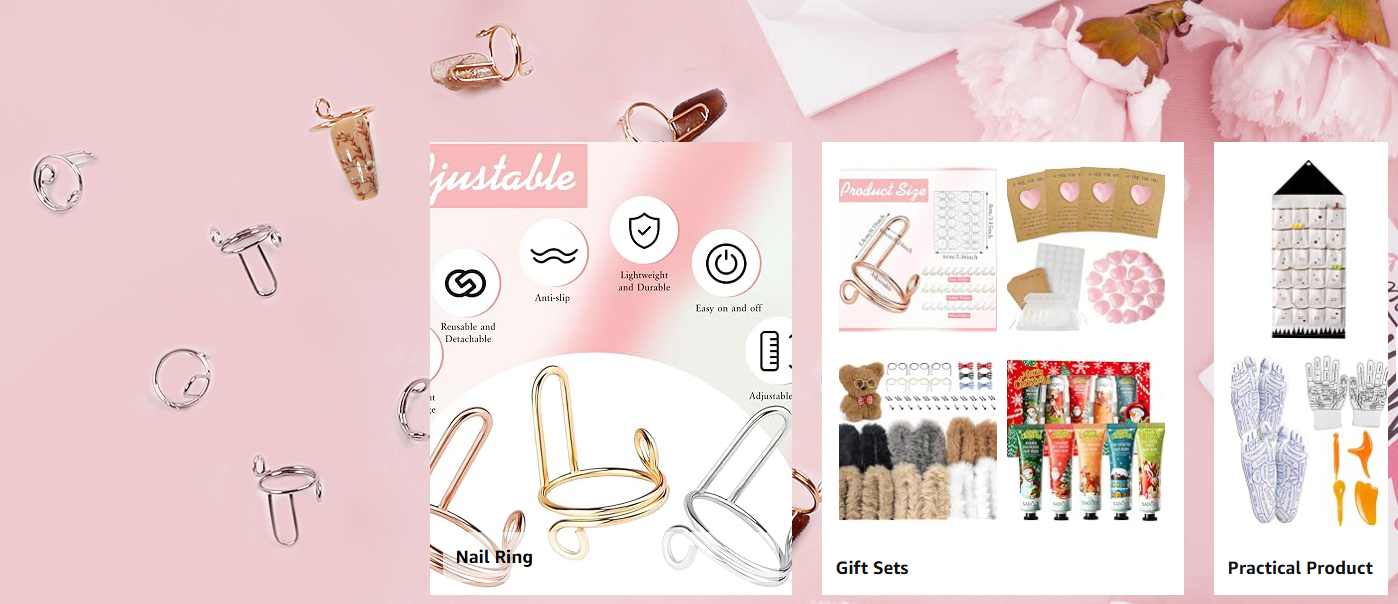
Wudu nail rings are small, reusable accessories designed to sit on or around the nail rather than around the finger. They are often marketed as decorative alternatives to traditional nail polish or as protective pieces for people who want to maintain neat nails while keeping ablution in mind. Some designs are open and minimalist; others are shaped like tiny covers or caps. The phrase nail rings for wudu is also used for nail jewelry that leaves the nail surface accessible, while wudu nail covers usually refers to small covers intended to protect a manicure or nail art.
The most important point is simple: not every product labeled “wudu-friendly” is automatically suitable for wudu. The validity of wudu depends on whether water can reach the skin and nails. If an accessory creates a barrier, it may defeat the purpose. Always follow the guidance of a trusted scholar and read the product instructions carefully.
Why Are These Accessories Becoming Popular?
Wudu is a central act of purification in Islam, and many Muslims are careful about every detail. Conventional nail polish can form a film over the nail, and some scholars advise removing it before wudu. This has led to interest in breathable polishes, removable nail art, and accessories that claim to support ablution-friendly nail care.
Wudu nail rings and covers appeal to different needs. Some people want a stylish accessory that does not interfere with washing. Others want protection for their nails during household chores, travel, or between manicures. Still others are looking for a gift for Ramadan or Eid that feels practical and personal. The best products combine comfort, cleanliness, and clarity about how water reaches the nail.
A wudu accessory should help you pray with confidence, not confusion. When in doubt, remove it and let the water reach the nail.
How to Use Wudu Nail Rings and Covers Responsibly
Before wearing any nail ring or cover for wudu, establish what the product is designed to do. A decorative ring that sits lightly on the nail may be different from a sealed cover that blocks water. Use the following practical checklist:
- Check water access: Confirm that water can reach the nail surface. If the accessory prevents this, remove it for wudu.
- Read the instructions: Follow the manufacturer’s guidance on wear time, cleaning, and suitability for ablution.
- Ask a scholar: If you are unsure about a design, seek advice from a trusted religious authority.
- Keep it clean: Wash and dry reusable rings or covers regularly to avoid trapped moisture and bacteria.
- Avoid tight fits: A ring that pinches or traps water can cause discomfort and hygiene problems.
- Remove when needed: If a cover is meant to protect nail art rather than support wudu, take it off before prayer.
Wudu Nail Covers vs. Nail Rings for Wudu
The terms are sometimes used interchangeably, but they can describe different products. Wudu nail covers are often small protective caps. They may be useful for shielding a manicure during chores or travel, but if they cover the nail completely during wudu, they may become a barrier. Nail rings for wudu, by contrast, are usually decorative and open in design, allowing water to reach the nail more easily.
This distinction matters. A cover that protects nail polish is not necessarily a wudu solution. A ring that looks elegant is not automatically valid either. The key question is not the label on the package; it is whether water reaches what it needs to reach.
Choosing the Right Product
When shopping for wudu nail rings or covers, look beyond appearance. Choose smooth, hypoallergenic materials where possible, especially if you have sensitive skin. Check for adjustable sizing, easy cleaning, and a design that does not trap moisture. Stainless steel, medical-grade silicone, and simple open designs are common options, but quality varies widely.
Also consider your lifestyle. If you wear your nails short and natural, a minimalist ring may feel comfortable. If you frequently perform wudu at work or while traveling, choose a product that is easy to remove, clean, and store. And remember: a product marketed as “wudu-friendly” is only useful if it actually supports valid ablution and comfortable daily wear.
Balancing Nail Care and Spiritual Practice
There is no need to choose between beautiful nails and meaningful worship. Many Muslims schedule manicures after prayer times, use breathable nail products, or keep nails clean and trimmed without polish. Wudu nail rings and covers can be part of that conversation, but they should not become a source of anxiety or confusion.
Think of these accessories as tools for mindful care, not loopholes. Their value lies in helping you maintain cleanliness, comfort, and confidence while respecting the requirements of wudu. If a product causes doubt, set it aside. Your prayer and peace of mind matter more than any accessory.
Final Thoughts
Wudu nail rings, nail rings for wudu, and wudu nail covers can be thoughtful additions to a Muslim woman’s routine when chosen and used responsibly. Prioritize water access, hygiene, comfort, and scholarly guidance. Use covers for protection when appropriate, remove them when they block water, and treat every accessory as a support—not a substitute—for careful worship. With the right approach, nail care and wudu can coexist with both style and sincerity.